
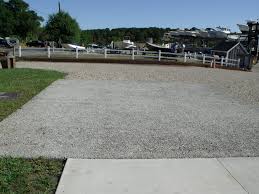
Pervious concrete paving addresses stormwater management requirements while providing durable surfaces for parking areas, overflow parking, and low-speed drives across Dallas-Fort Worth. Property owners and developers choose pervious systems to meet municipal stormwater requirements, reduce detention pond needs, and qualify for green building credits.
Pervious concrete's open-graded structure allows water to drain through the pavement into underlying aggregate base and soil. This reduces stormwater runoff, helps recharge groundwater, and can significantly reduce or eliminate detention pond requirements for commercial sites.
For commercial applications, pervious concrete works well in parking areas, fire lanes, and overflow parking where heavy traffic is limited. The system requires proper base design and drainage - we coordinate with civil engineers to ensure adequate subgrade drainage and base preparation.
LEED and other green building programs award credits for pervious paving that reduces stormwater runoff. For developments pursuing sustainability certifications, pervious concrete contributes to points while providing functional parking and driving surfaces.
Why property owners choose us
- Infiltration rates of 3-8 gallons per square foot per minute reducing stormwater management infrastructure
- LEED credits for sustainable site development and stormwater management
- Void content of 15-25% allowing water passage while maintaining structural integrity for vehicular traffic
Project capabilities
We specialize in pervious concrete installation including proper aggregate base design, mix design verification, specialized placement techniques, and surface finishing. Our crews understand the critical placement and consolidation requirements that differ from conventional concrete. We coordinate with civil engineers on drainage design and work within stormwater management plans to achieve regulatory compliance.
What's included
- Civil engineering coordination
- Subgrade drainage verification
- Aggregate base installation
- Pervious concrete placement
- Density verification without compaction
- Surface finishing
- Curing without sealers
- Drainage performance verification
- Maintenance guidelines
Common project scenarios
- Office development reducing detention pond requirements with pervious parking
- Retail center meeting municipal stormwater management requirements
- LEED project using pervious paving for green building credits
- Property owner installing overflow parking with environmental benefits
Frequently Asked Questions
- Is pervious concrete strong enough for commercial parking?
- Yes, pervious concrete provides adequate strength for parking areas and fire lanes with car and light truck traffic. It's less suitable for areas with heavy truck traffic or high-frequency use.
- Does pervious concrete work in freezing climates?
- Yes, pervious concrete performs well in North Texas freeze-thaw conditions. The open structure allows water to drain before freezing occurs, reducing freeze-thaw damage common in conventional pavement.
- What maintenance does pervious concrete require?
- Periodic vacuum sweeping (1-2 times annually) removes accumulated sediments that can clog the pervious structure. This maintains drainage performance over the pavement's service life.
- Can pervious concrete reduce stormwater detention requirements?
- Yes, pervious pavement systems reduce runoff and may reduce or eliminate detention pond requirements. Reduction depends on site conditions and local regulations - coordinate with civil engineer.