
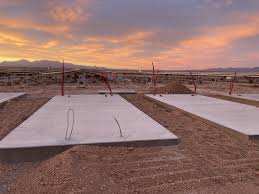
Generator pads provide critical foundations for emergency backup power systems serving commercial buildings, data centers, and mission-critical facilities across Dallas-Fort Worth. Property owners and facility managers need generator pads engineered for equipment weight, designed for vibration isolation, and sized to accommodate fuel tanks and service access.
Generator specifications drive pad design - we coordinate with generator suppliers on equipment dimensions, mounting bolt patterns, fuel tank locations, and service clearances. Proper pad size ensures adequate workspace for maintenance while meeting fire code clearance requirements.
Vibration isolation is critical for generators. Operating generators create significant vibration that can transmit to buildings without proper isolation. We coordinate isolation pad systems, spring mounts, or other dampening details specified by mechanical or structural engineers.
Fuel containment may be required by environmental regulations depending on generator size and fuel capacity. We coordinate secondary containment integration, fuel line penetrations, and drainage requirements per environmental and fire code specifications.
Why property owners choose us
- Integrated secondary containment curbs for fuel spill protection meeting EPA requirements
- Vibration-dampening design minimizing transmission to adjacent structures
- Precision leveling ensuring proper generator operation and drainage away from equipment
Project capabilities
We provide complete generator pad installation including site evaluation, excavation, containment curb forming, conduit placement for electrical feeds, concrete placement, and finishing. Our crews coordinate with electrical contractors and generator suppliers to ensure proper dimensions, anchor bolt placement, and access requirements. All pads are installed level with appropriate drainage slopes per manufacturer specifications.
What's included
- Generator specification coordination
- Pad design and sizing
- Excavation and base preparation
- Reinforcement installation
- Vibration isolation coordination
- Anchor bolt placement per specifications
- Concrete placement
- Fuel containment details (if required)
- Conduit penetrations for utilities
- Service clearance verification
- As-built documentation
Common project scenarios
- Office building installing backup generator for tenant emergency power
- Data center adding generator capacity for increased reliability requirements
- Healthcare facility installing emergency power per code requirements
- Industrial facility adding generator for critical process backup power
Frequently Asked Questions
- How thick are generator pads typically?
- Generator pads typically range from 8-12 inches thick depending on generator size and weight. Large generators or poor soil conditions may require thicker pads with additional reinforcement and deeper foundations.
- Do generator pads require vibration isolation?
- Yes, operating generators create vibration requiring isolation systems to prevent transmission to buildings. We coordinate isolation pad materials or spring mount systems per mechanical engineer specifications.
- What clearances are required around generators?
- Fire codes require minimum clearances around generators for combustion air, cooling, and service access. Typical clearances range from 3-6 feet but vary by generator size and local codes.
- Do you coordinate fuel tank foundations?
- Yes, we coordinate fuel tank pad requirements with generator supplier. Fuel systems may require separate pads, containment systems, or integrated tank bases depending on capacity and regulations.